The Psychology of Sales Workshop

Delivery Type

Classroom / Practical

Course Dates

May 2026

Overview:

Selling is not just about products or services; it’s about understanding human behavior, emotions, and decision-making processes. The Psychology of Sales Workshop explores the psychological principles that drive purchasing decisions, helping sales professionals master the art of influence, persuasion, and trust-building. By applying these insights, participants will improve customer engagement, close deals more effectively, and build lasting client relationships.

Emotional Intelligence Drives Revenue: Salespeople with high emotional intelligence (EQ) generate twice the revenue of those with average or low EQ.

High EQ Enhances Close Rates: Salespeople with high emotional intelligence have a 15% higher close rate compared to those with lower EQ.

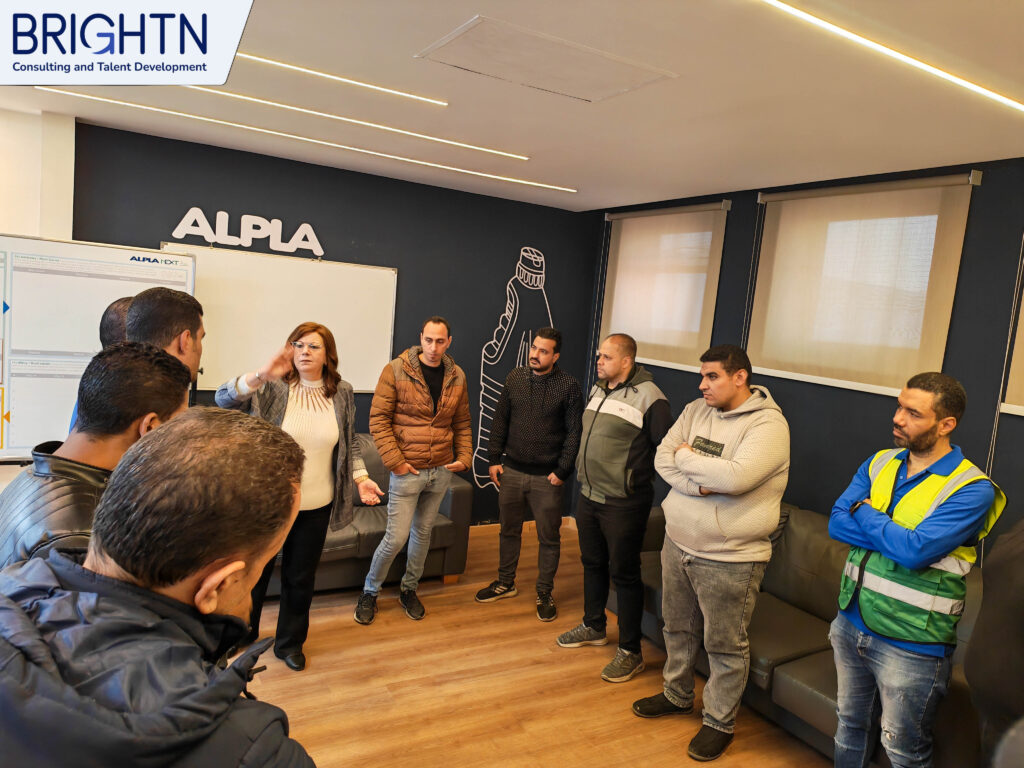
This Practical and Experiential workshop incorporates case studies, interactive exercises, role-playing games, and hands-on activities to develop advanced sales techniques. Participants will learn how emotional intelligence, cognitive biases, and non-verbal communication impact sales conversations. They will also explore methods for handling objections strategically, adapting to different buyer personas, and creating compelling sales narratives that resonate with customers.

Throughout the program, attendees will gain the ability to control sales conversations and power dynamics, using psychological insights to guide discussions toward successful outcomes. By leveraging storytelling, rapport-building, and strategic questioning, they will learn how to position themselves as trusted advisors rather than just sellers.
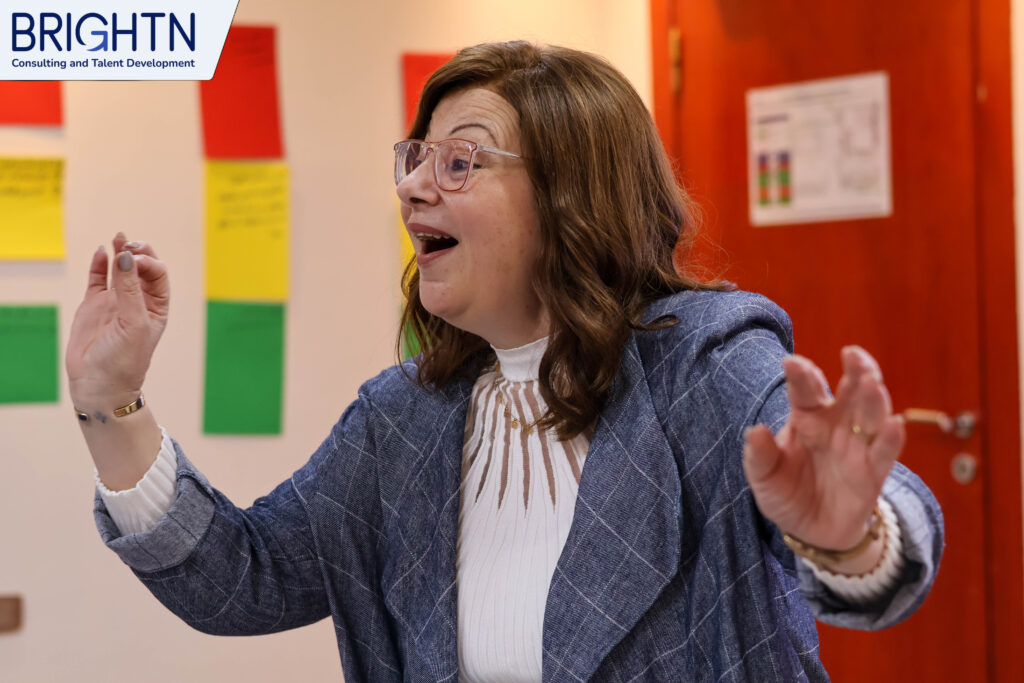
The Psychology of Sales Workshop

Targeted Competencies:

  • Emotional Intelligence
  • Delegation
  • Performance Management
  • Decision-Making
  • Accountability & Ownership
  • Team Building
  • Planning & Organizing
  • Effective Communication

Organizational Impact:

Increased Sales Performance: Sales teams effectively apply psychological techniques to close more deals and drive revenue.
Enhanced Customer Retention: Building rapport and trust using emotional intelligence fosters long-term client relationships.
Improved Communication Skills: Strategic questioning and persuasive language improve client interactions and reduce misunderstandings.
Higher Conversion Rates: Recognizing buyer personas and tailoring sales pitches increases the likelihood of successful conversions.
Better Decision-Making: Supervisors equipped with analytical tools and frameworks make smarter, faster decisions—reducing dependency on higher-level managers.
Reduced Objection Rates: Objection-handling techniques minimize pushback and maintain sales momentum.
Boosted Negotiation Success: Balancing authority and empathy leads to more favorable negotiation outcomes.
Learning Objectives:

By the end of this program, participants will be able to:

  • Understand the psychological principles that influence customer buying decisions.
  • Identify different buyer types and their decision-making behaviors.
  • Analyze cognitive biases and emotional triggers that impact sales interactions.
  • Develop advanced communication techniques for persuasion and influence.
  • Utilize emotional intelligence to build trust, rapport, and credibility.
  • Manage objections effectively using psychological reframing techniques.
  • Adapt sales pitches to match diverse buyer personas and decision-makers.
  • Leverage strategic questioning to uncover customer needs and motivations.
  • Enhance negotiation skills using psychology-driven persuasion techniques.
The Psychology of Sales Workshop

Workshop Outline:

Module 1: The Psychology of Buying Decisions

  • Emotional and cognitive factors that influence purchasing behavior.
  • Key psychological triggers such as trust, authority, and scarcity.
  • Cognitive biases that impact customer decision-making processes.
  • Customer decision-making styles and their implications for sales strategies.

Module 2: Understanding Buyer Types and Behavioral Cues

  • Identification of buyer personas and their communication preferences.
  • Techniques for behavioral profiling to adapt sales approaches.
  • Recognizing subtle cues indicating customer readiness to buy.
  • Strategies for building rapport through listening and observation.

Module 3: Communication for Influence and Persuasion

  • The psychology behind persuasive language and its impact on sales.
  • Questioning methods to uncover hidden customer needs.
  • Reframing techniques to handle objections effectively.
  • Active listening techniques for maintaining control of the conversation.

Module 4: Interpreting and Utilizing Body Language in Sales

  • Non-verbal cues such as facial expressions, posture, and gestures.
  • Techniques for detecting buying signals and concealed objections.
  • Positive body language techniques to project confidence and credibility.

Module 5: Leveraging Emotional Intelligence in Sales

  • Techniques for self-awareness and emotional regulation in sales.
  • Empathy-building strategies for establishing trust and rapport.
  • Methods for de-escalating tense situations during sales conversations.
  • Techniques for managing difficult customer interactions.
  • Exploration of emotional intelligence in fostering long-term client relationships.

Module 6: Controlling the Sales Conversation and Power Dynamics

  • Methods for guiding sales conversations without appearing forceful.
  • Techniques for balancing authority and empathy in client interactions.
  • Power dynamics management in challenging sales scenarios.
The Psychology of Sales Workshop

Who Should Attend?

This Program will greatly benefit:

  • Sales and Marketing Professionals
  • Sales Managers and Supervisors
  • Business Development Professionals
  • Customer Service Representatives
  • Customer Success Managers
  • Commercial Professionals
  • Procurement Manager/Supervisors
  • Project Managers and Coordinators
The Psychology of Sales Workshop

Training Methodology:

This practical training uses a variety of proven adult learning techniques, including:

Instructor-Led Sessions: Engaging sessions and discussions to introduce the desired concepts.
Case Studies: Real-world scenarios to analyze and apply financial concepts in practical settings.
Group Exercises: Collaborative activities that encourage teamwork and problem-solving.
Hands-On Simulations: Practical exercises for participants to apply concepts in a controlled environment.
Q&A Sessions: Opportunities for participants to clarify doubts and engage with instructors.
Assessments: Periodic evaluations to reinforce learning and track progress.

Delivery Type

Classroom / Practical

Course Dates

May 2026
  • How can I register for a public training course?
    Via our website or by emailing [email protected]. A training expert will contact you to assist with the next steps.
  • Will I receive a certificate?
    Yes, participants who complete the course will receive a certificate of completion.
  • What’s the batch size for public courses?
    Typically up to 15 participants per batch (subject to change by course).
  • Do you offer installment payments?
    Yes, you can pay in up to three installments.
  • Do you offer course materials?
    Yes, we provide both hard and soft copies of the training materials.
  • What’s included in the training fee?
    Training Sessions, Materials, Certificate, and Daily tea/coffee breaks.
  • Is there a discount for group registrations?
    Discount schemes are available for multiple registrations.
  • Is this course theoretical or practical?
    The course is highly practical, with real-world examples, case studies, and interactive exercises.
  • Can this be customized for in-house training at my company?
    Yes, the course can be tailored to meet the specific needs, industry context, and strategic goals of your company.

Register Form

Name(Required)
Email(Required)
Which Program you need?(Required)
This field is for validation purposes and should be left unchanged.